
Do you need a permit for a portable toilet in Lafayette?
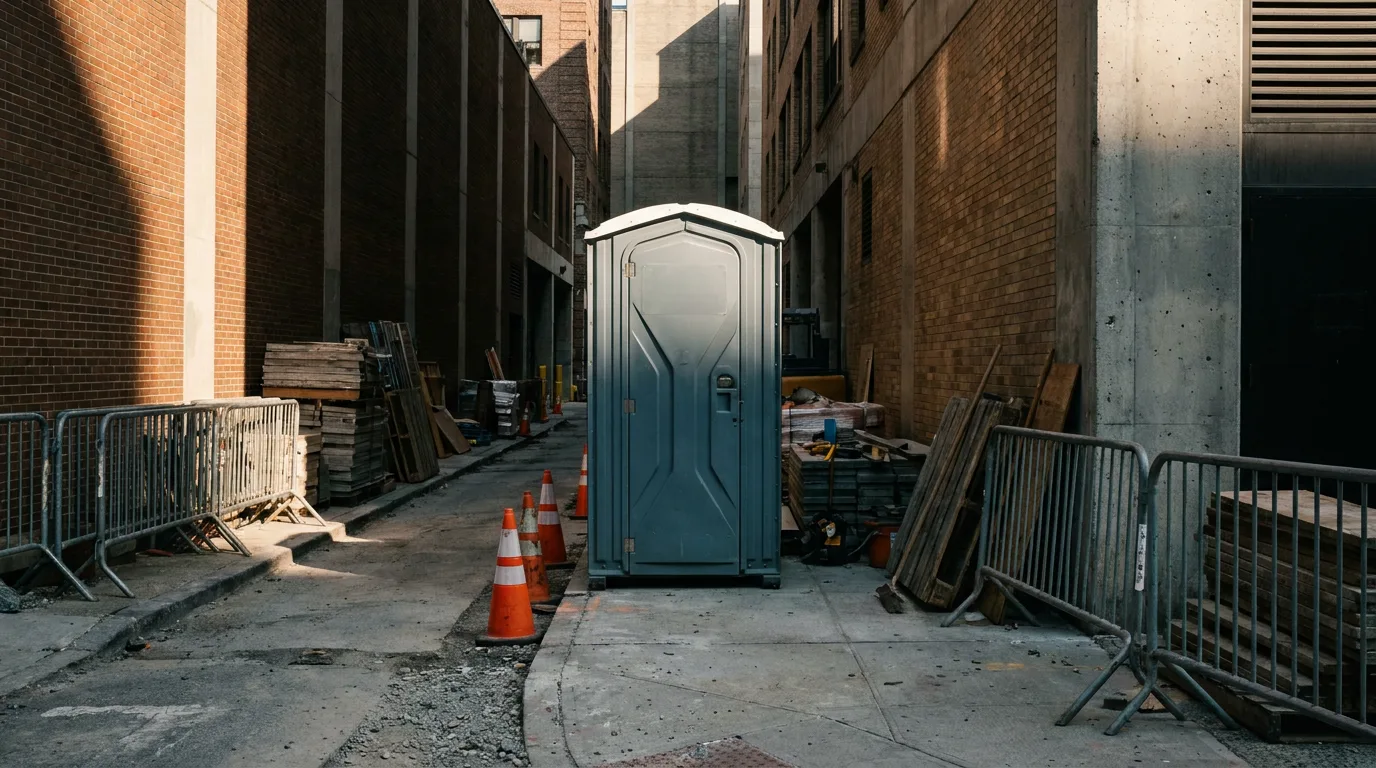
Most residential jobs don't need one. If a homeowner in Lafayette is doing a home renovation and the unit sits in the driveway or backyard, that's private property and permitting rarely comes into play. The question changes fast once a unit has to sit on a street, alley or public easement. That's the case Lafayette Porta Pros flags every time, because right-of-way rules vary block to block and we are NOT the authority on them. These are the same porta potty placement rules that decide whether a unit can sit at curbside at all. We tell every customer renting a standard porta potty or a porta john for a street-adjacent job to call the city and confirm before delivery day. This isn't unique to toilets, either. A temporary fence, a storage container, or a roll-off dumpster parked at curbside can trigger the same right-of-way question, and a temporary power pole placed near a sidewalk often needs its own sign-off too.
What about dumpster permits on a street in Lafayette?
Same logic applies, and it trips people up constantly on roll-off dumpster rental Delaware County jobs. Do you need a permit for a dumpster on a residential driveway? Usually not. Put that same 10 yard dumpster or 20 yard dumpster on the street in front of a house, and you're likely looking at a dumpster permit process through the city, not through us. This question comes up in construction contexts constantly too, since a construction dumpster often sits curbside on tight urban lots where there's no driveway room. We've seen customers assume the rules from a prior job, a job in Jersey City or wherever else, transfer over. They don't. Lafayette's own placement rules govern Lafayette, not memory of a jersey city dumpster permit process from a past project, and the permit for dumpster on street questions get answered by the city office handling that block, not by us. Check our dumpster permit requirements page for what we do know, and confirm the rest locally before delivery.
Where can a porta potty be placed without a permit?
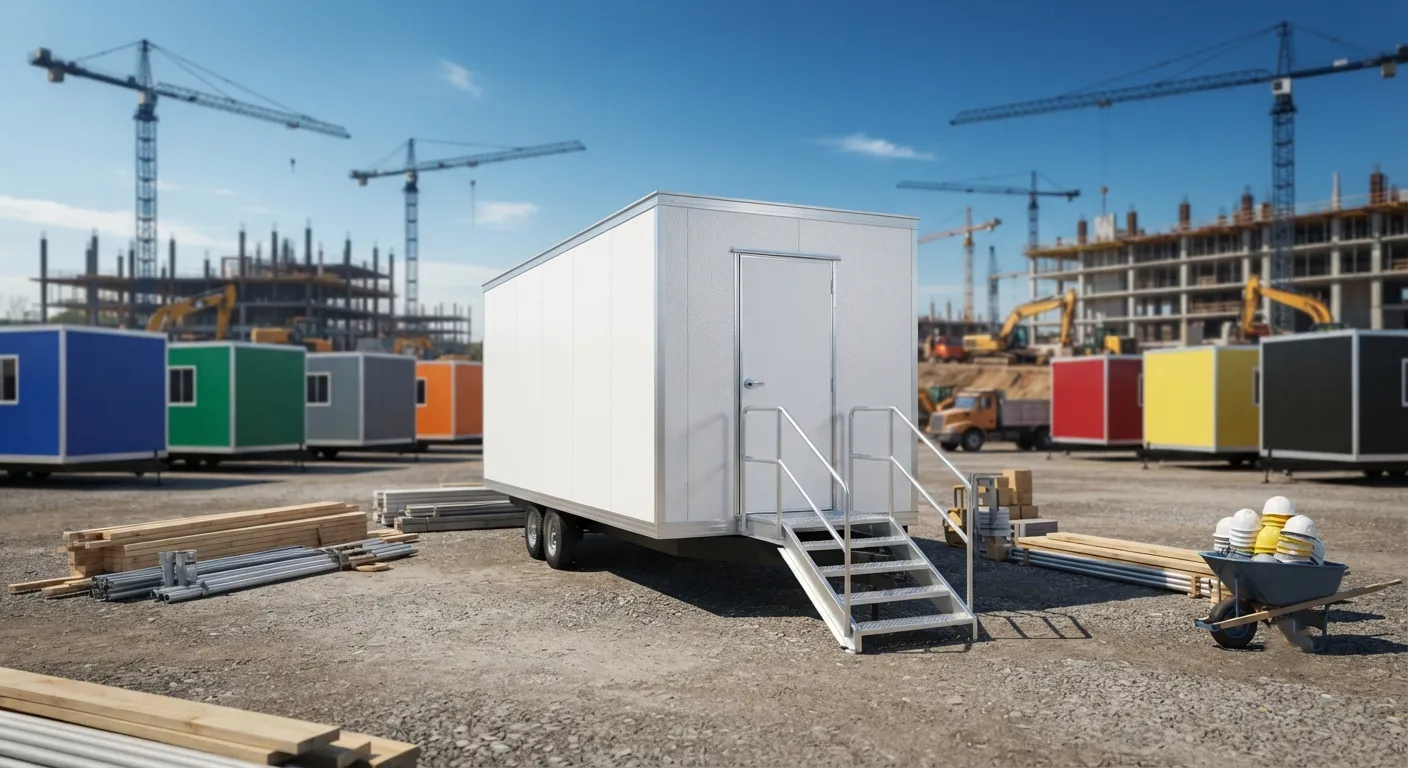
Private, stable, level ground away from the street edge is the safe zone for most rentals. A standard unit runs about 44 by 48 inches on the ground and stands roughly 92 inches tall, so it needs a clear, firm pad bigger than the footprint suggests once someone has to open the door. On construction sites, OSHA 1926.51(c) sets the ratio that drives how many units you place, not the permit question, but the two often get placement decisions tangled together. If you're trying to figure out counts before you figure out placement, our how many porta potties do I need guide walks through the ratio. For placement mechanics specifically, our porta potty placement guide covers clearance and ground conditions. Delivery trucks also need room to maneuver, and a roll-off delivery needs about 60 feet of straight clearance behind the truck, which matters if you're weighing a dumpster and a restroom on the same tight lot.

Are there ADA rules that affect where units go, permit or not?
Yes, and these apply regardless of whether the city requires a permit. ADA Standards section 213.2 requires that where single-user portable toilet units are clustered, at least 5 percent, and never fewer than one unit, must be accessible. An accessible unit needs a 60 inch turning circle under ADA Standards section 304.3.1 and a 32 inch clear door opening per ADA Standards section 404.2.3, both of which affect where on a site the unit can physically sit. Our ADA accessible porta potty page has the specs, and our ADA restroom requirements guide covers the fuller picture. None of that is a city permit issue. It's a compliance issue that exists on top of whatever Lafayette itself requires for right-of-way placement, and it applies the same way to an event restroom at a wedding as it does to a jobsite.

Frequently asked questions
Do I need a permit for a porta potty rental delaware county project?
It depends on placement, not the rental itself. Private property jobs in Lafayette or nearby townships in Delaware County rarely need a permit. Street or right-of-way placement usually does. Call the local jurisdiction handling that specific road before delivery, since rules differ between Lafayette proper and the surrounding townships.
What are the general porta potty rules and regulations for construction sites?
OSHA 1926.51(c) sets toilet counts by crew size: one facility for 20 workers or fewer, then additional units as headcount rises. That's a federal labor standard, separate from any city permit. See our OSHA portable toilet requirements page for the full ratio table.
Does a portable toilet rental in West Lafayette follow different rules?
West Lafayette is a separate municipality about 7.6 miles northwest of Lafayette, so its own placement and right-of-way rules apply there, not Lafayette's. Confirm with West Lafayette directly if your job sits there. See porta potty rental in West Lafayette for that service area.
Can I place a dumpster on the street without checking first?
No. Even short-term placement on a public street can require a dumpster permit, and enforcement varies by block and by city department. Confirm before the truck shows up. Our what cannot go in a dumpster and dumpster weight limits pages cover the other rules that apply once it's placed.
Do temporary power poles need a separate permit from the porta potty?
Usually yes, and it's handled separately from restroom placement. A temporary power pole placement, especially near a sidewalk or right-of-way, typically involves the electrical inspection process, not the same office that handles a portable toilet in a driveway. Check with the city before your temporary power pole delivery.
Next step
Get a delivery date
Tell us the address, the dates and the headcount. We size the order and confirm the route.