
Where should a porta potty go on a job site?
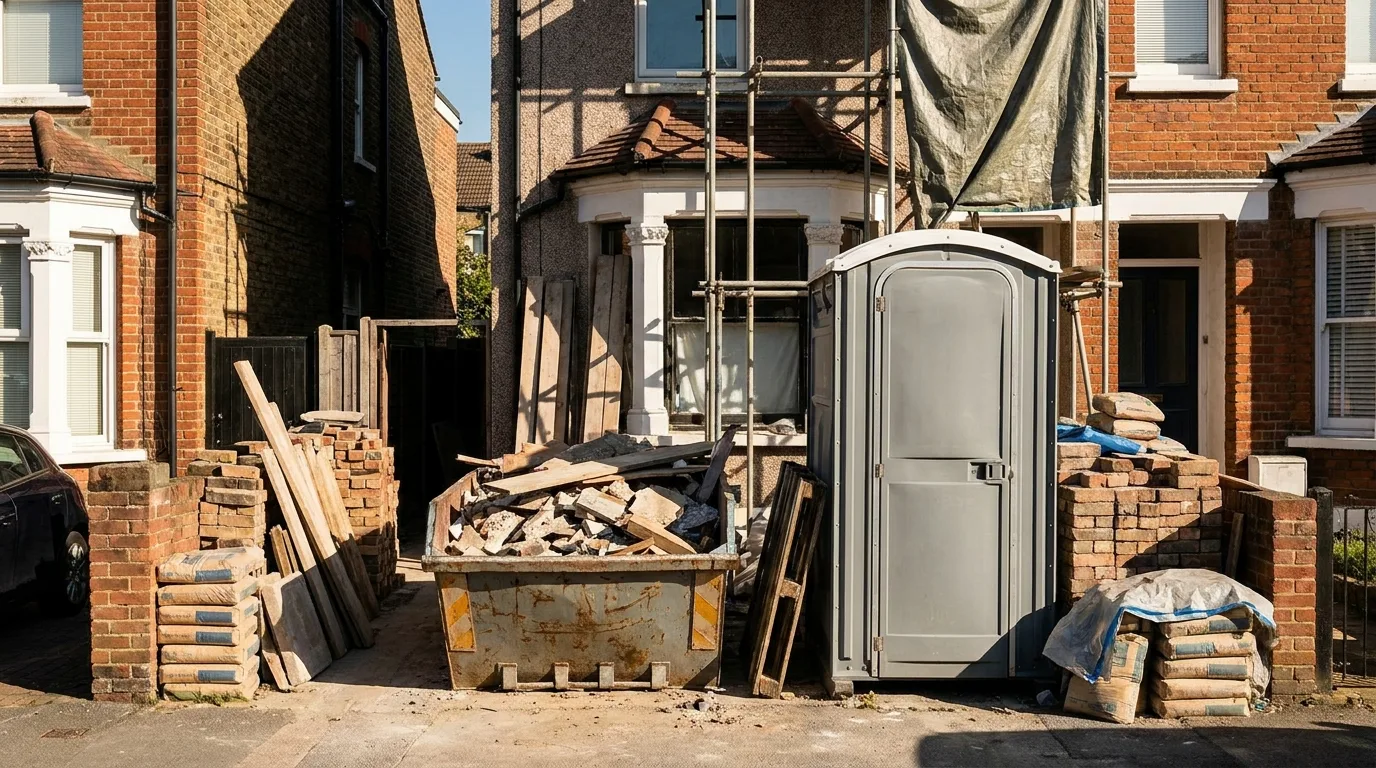
Pick flat ground first. A standard unit runs about 44 by 48 inches on the ground and stands roughly 92 inches tall, so it needs a pad slightly bigger than that footprint plus room for the door to swing. Keep it away from storm drains, slopes, and soft dirt that turns to mud after rain. If you're planning a full layout, our porta potty rental checklist walks through spacing for multiple units, and the how many porta potties do I need guide helps you figure out the count before you figure out the spots.
Construction sites in Lafayette need to follow OSHA 1926.51(c), which sets toilet ratios by crew size, so placement has to account for where workers actually spend their day, not just where a truck happens to fit. Service access matters just as much. The truck needs a clear path to the unit for weekly pumping, and if you're also renting a roll-off dumpster, remember it needs about 60 feet of straight clearance behind the truck for delivery. Keep the two units apart so neither delivery blocks the other. For events, our event restroom rental and festival restroom rental pages cover crowd-flow placement specifically.
Do I need a permit to place a porta potty on the street or sidewalk?
Placement in the public right of way needs confirming with the city before you set anything down. Lafayette Porta Pros can flag this during your quote, but the rule itself, and any dumpster placement permit cost tied to curbside or street placement, is not something we'll guess at here. Check with the city before committing to a curb spot. This is the same caution that applies to a dumpster placement permit for a roll-off sitting on pavement instead of private property; our dumpster permit requirements page covers what to ask about, and porta potty permit requirements does the same for restrooms.
If your site sits within city limits, driveways and private lots avoid most of that question entirely. West Lafayette is 7.6 miles northwest and follows its own review, so a placement plan built for one side of the river doesn't always transfer to the other. Stockwell sits 10.7 miles southeast and often means more rural sites where right-of-way questions rarely come up at all. When in doubt, call before delivery day, not after.
How much clearance does an ADA unit need?
An ADA unit needs a 60 inch turning circle under ADA Standards 304.3.1, plus a door opening of at least 32 inches per ADA Standards 404.2.3, and an approach route at least 36 inches wide under ADA Standards 403.5.1. That means the pad for an accessible stall has to be noticeably larger than a standard unit's footprint, and the ground under it has to stay firm and slip resistant per ADA Standards 302.1. When you're clustering multiple units, ADA Standards 213.2 requires at least 5 percent to be accessible, never fewer than one. Our ADA accessible porta potty page has the full spec sheet, and ADA restroom requirements covers the broader rulebook. Reach ranges also matter for sinks and dispensers inside the unit, governed by ADA Standards 308.2.1, and any handles or latches need to work under ADA Standards 309.4, meaning no tight grasping or twisting to operate the door lock.

Where should a handwashing station or restroom trailer sit?
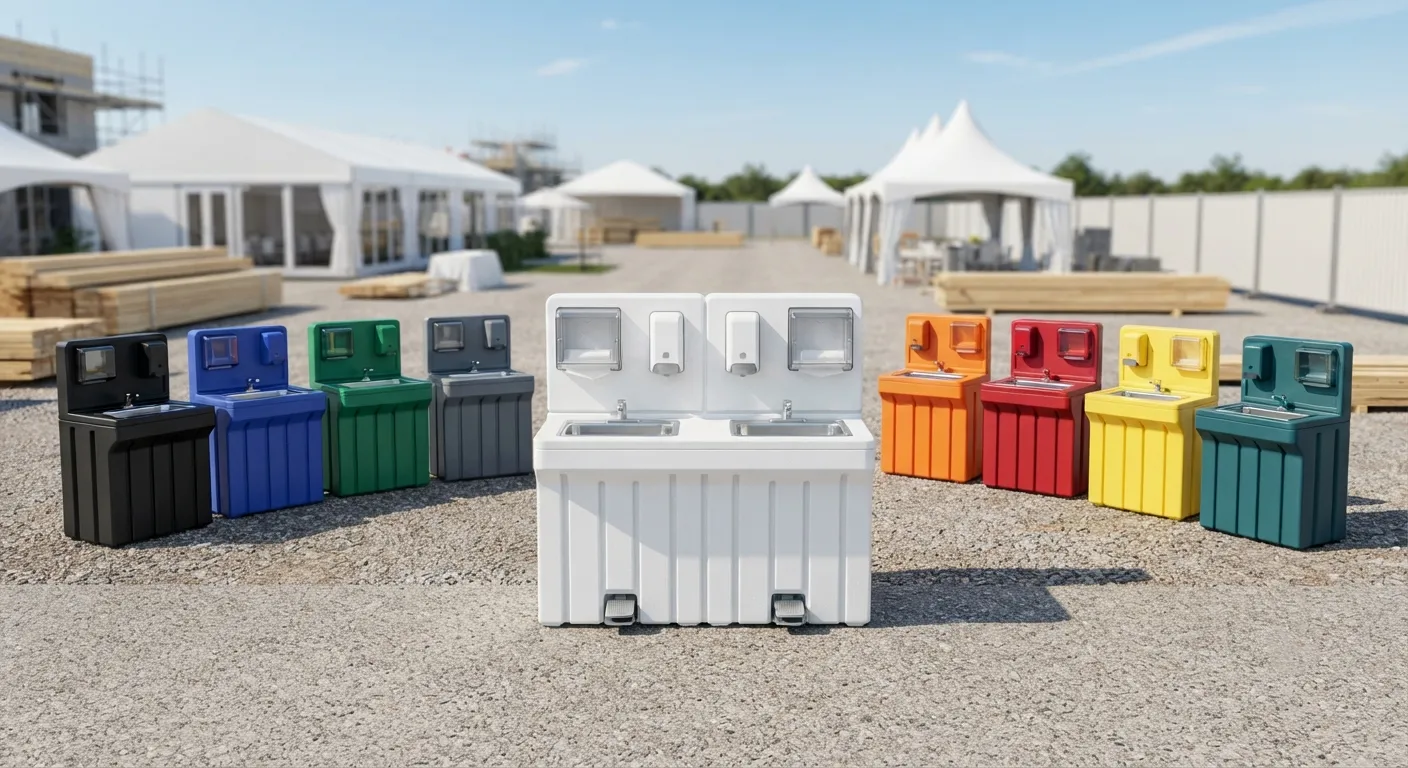
Put handwashing stations at the exit of every porta potty cluster, not off in a corner. OSHA 1926.51(f)(1) requires washing facilities specifically where workers apply paints, coatings, herbicides, or insecticides, so a paint crew or a pesticide crew needs a station within a short walk, not just water somewhere on site. 29 CFR 1910.141(d)(2) requires soap and towels or a hand dryer at that station; hand sanitizer alone doesn't satisfy it. If you're running an Ozark River portable sink and need a replacement part like a soap pump or splash guard, plan for that before the unit ships, since swapping parts mid-rental slows down a crew. Our handwashing station rental and portable sink rental pages list what's available, and handwashing requirements breaks down the OSHA language further.
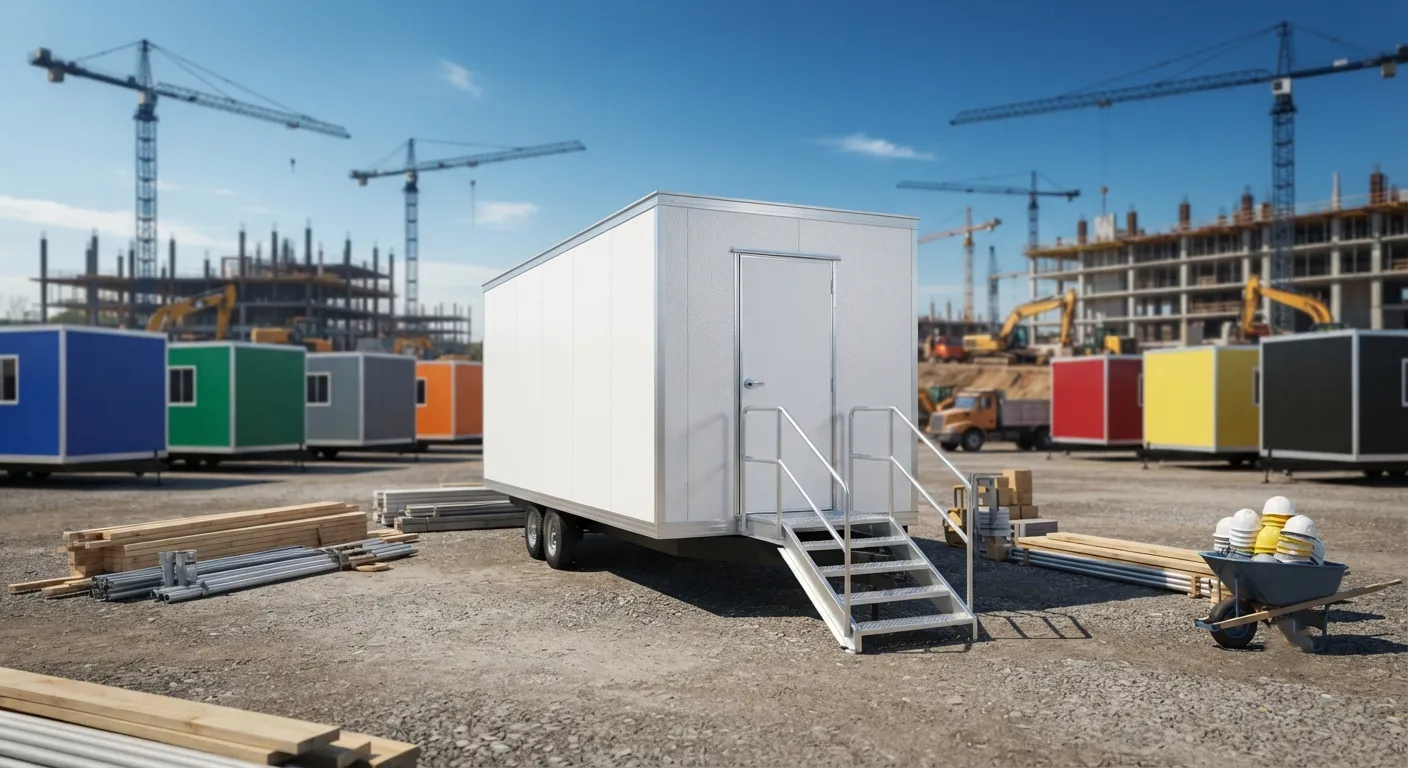
Restroom trailers need level ground too, plus a power hookup and a clear path for the tank truck. A 4 stall restroom trailer or 8 stall restroom trailer is heavier and wider than a single porta potty, so the pad needs more prep. If you're storing gear on site as well, a mobile office trailer rental or storage container rental needs its own separate footprint; mobile office trailer replacement doors are a common wear item on older units, so ask about door condition before you sign for a long rental. Americus sits 12.0 miles northeast of Lafayette, and job sites out that way often need everything, trailer, storage, and restrooms, planned as one layout instead of three separate deliveries.
How far from a building does a porta potty need to sit?
There's no single fixed distance in the FACT BANK for this, so check your site plan and any venue rules first. Keep it clear of doorways, windows, and air intakes, and leave room for the service truck to reach it weekly.
Can a porta potty sit on gravel or dirt?
Yes, if the surface is firm and doesn't shift under weight. Soft dirt that pools water after rain isn't stable enough long term. A gravel pad or plywood base under the unit keeps it level between service visits.
Does a septic system placement follow the same rules?
No. Septic tanks and holding tanks follow separate placement rules tied to the drain field and property lines, not porta potty spacing. If you need pumping, whether it's routine service like a Placerville septic pumping service handles or a one-time job here in Lafayette, see our septic pumping service page.
How often does a porta potty get serviced once it's placed?
Weekly is standard for moderate use, based on the ANSI/PSAI Z4.3 baseline of one visit per week for up to 10 users over a 40 hour week. High-traffic events need more frequent visits. Our how often are porta potties cleaned page has the detail.
What if the site changes after delivery?
Call Lafayette Porta Pros and we'll move it. Relocating a placed unit is easier before it's been serviced. If the new spot changes truck access, mention that up front so the next pumping visit doesn't get delayed.
Next step
Get a delivery date
Tell us the address, the dates and the headcount. We size the order and confirm the route.